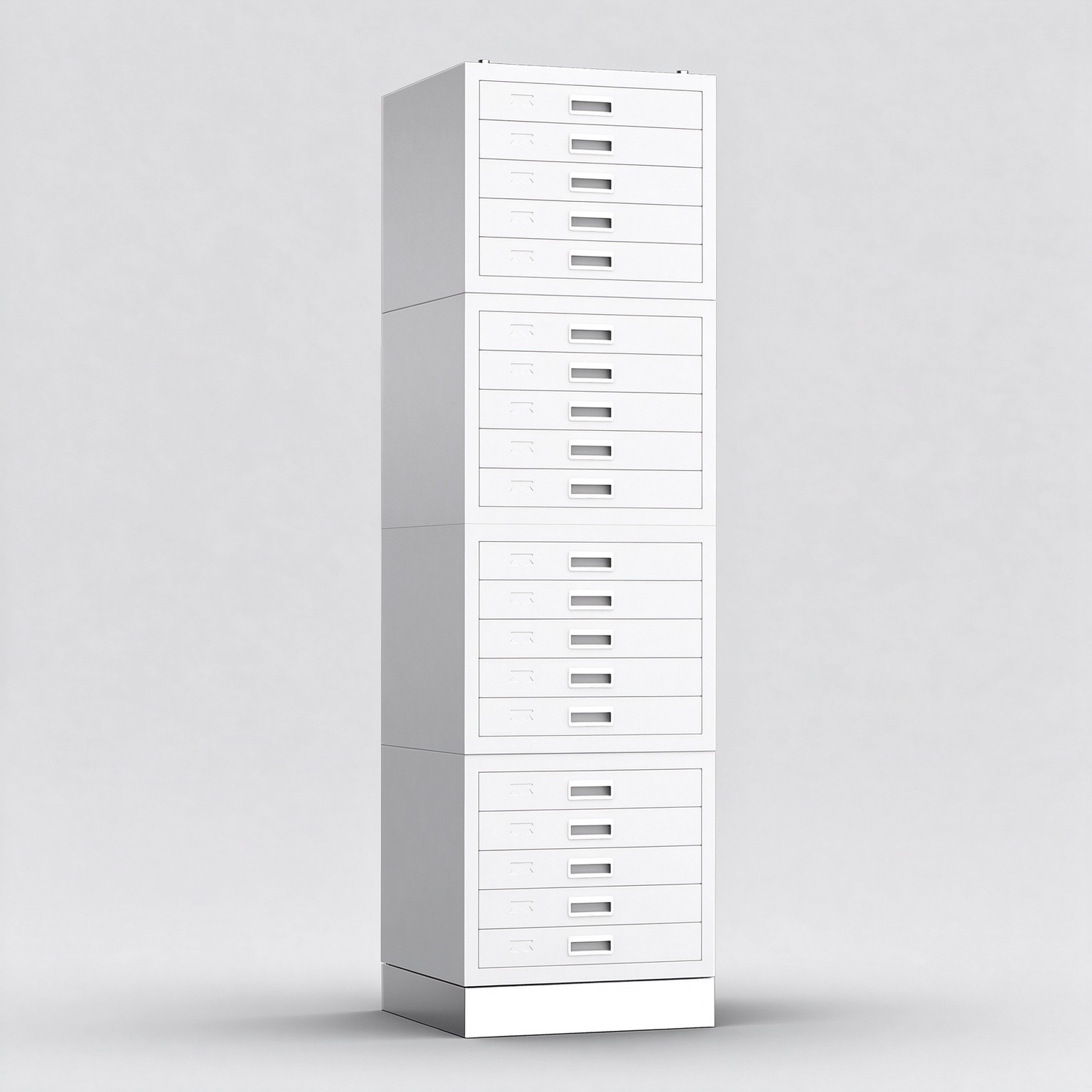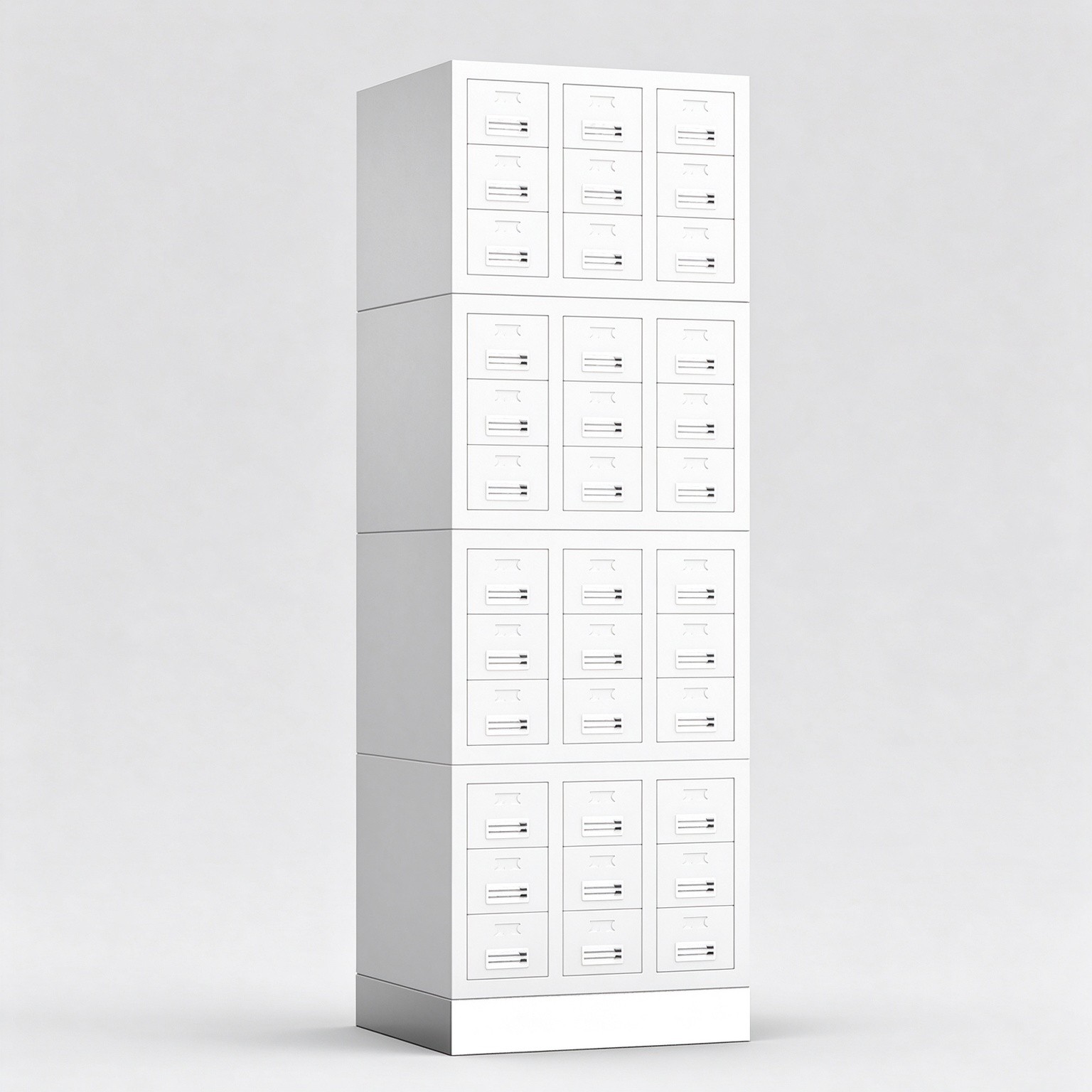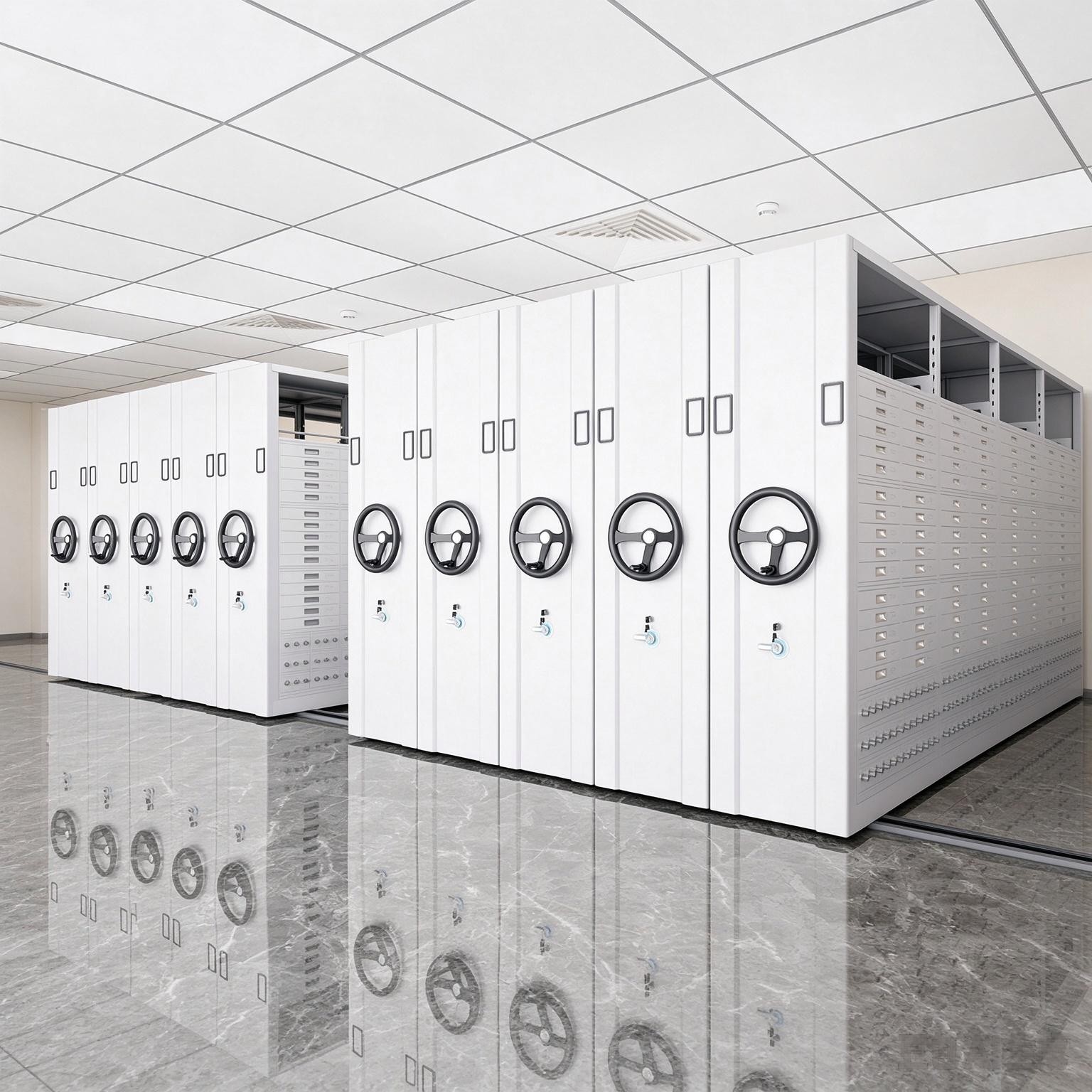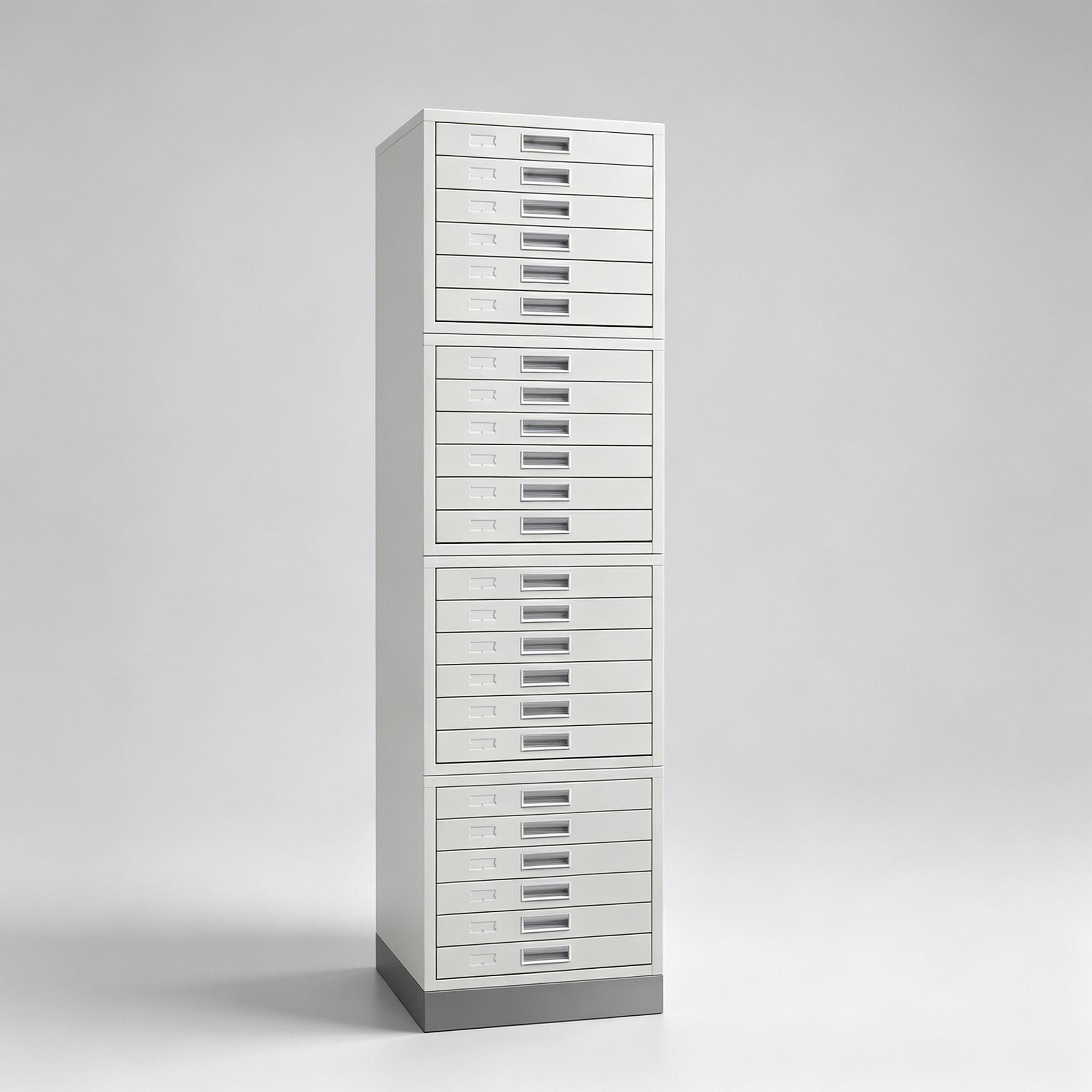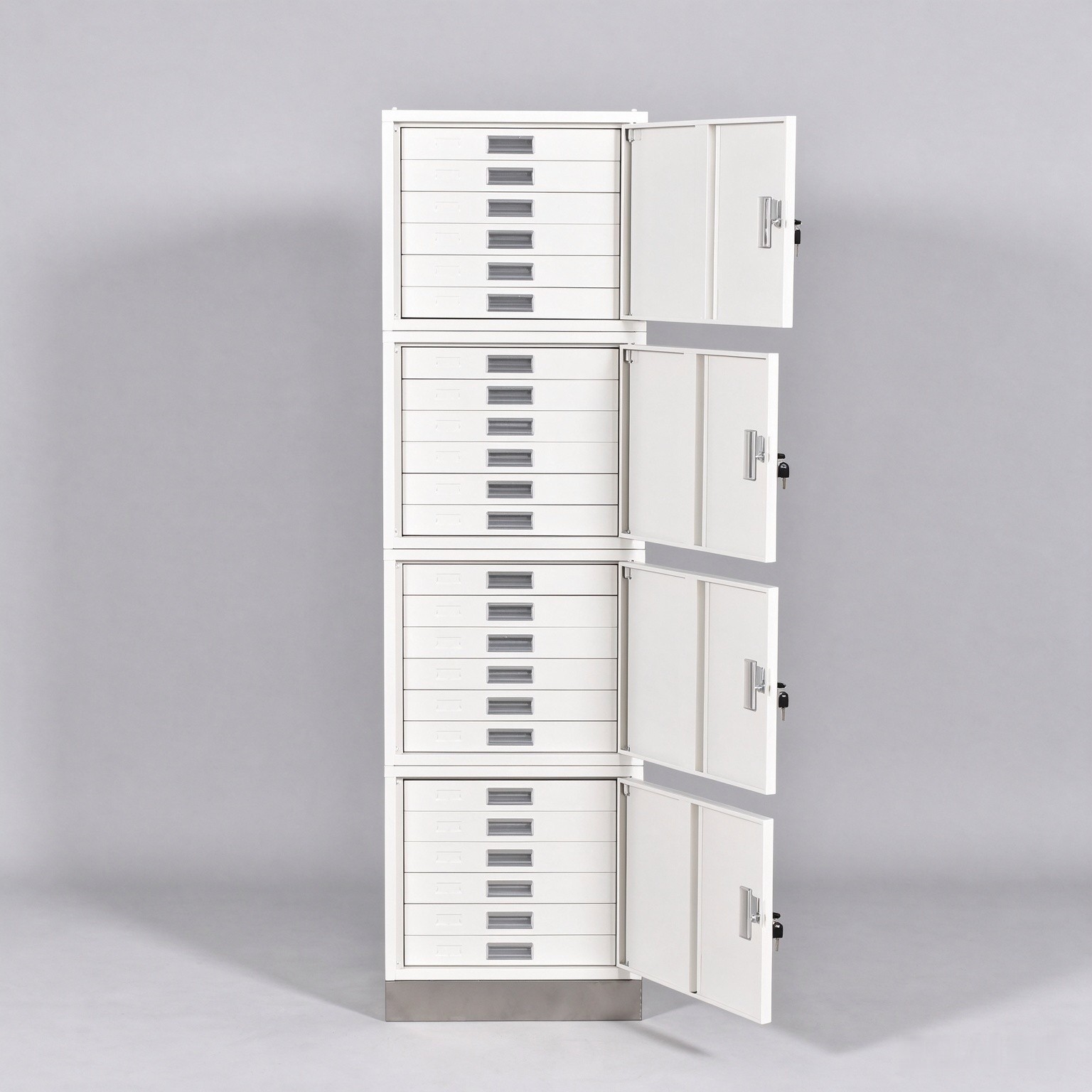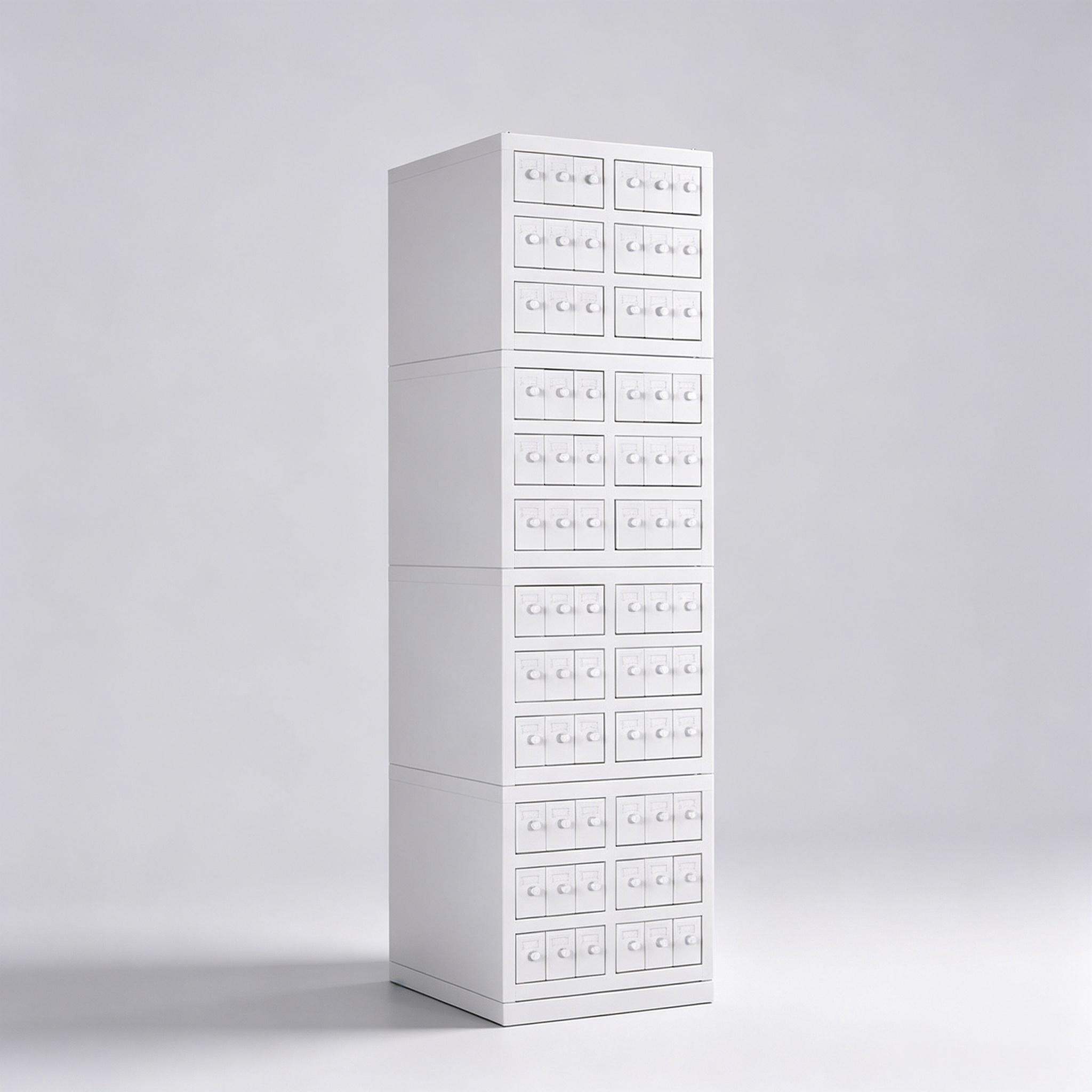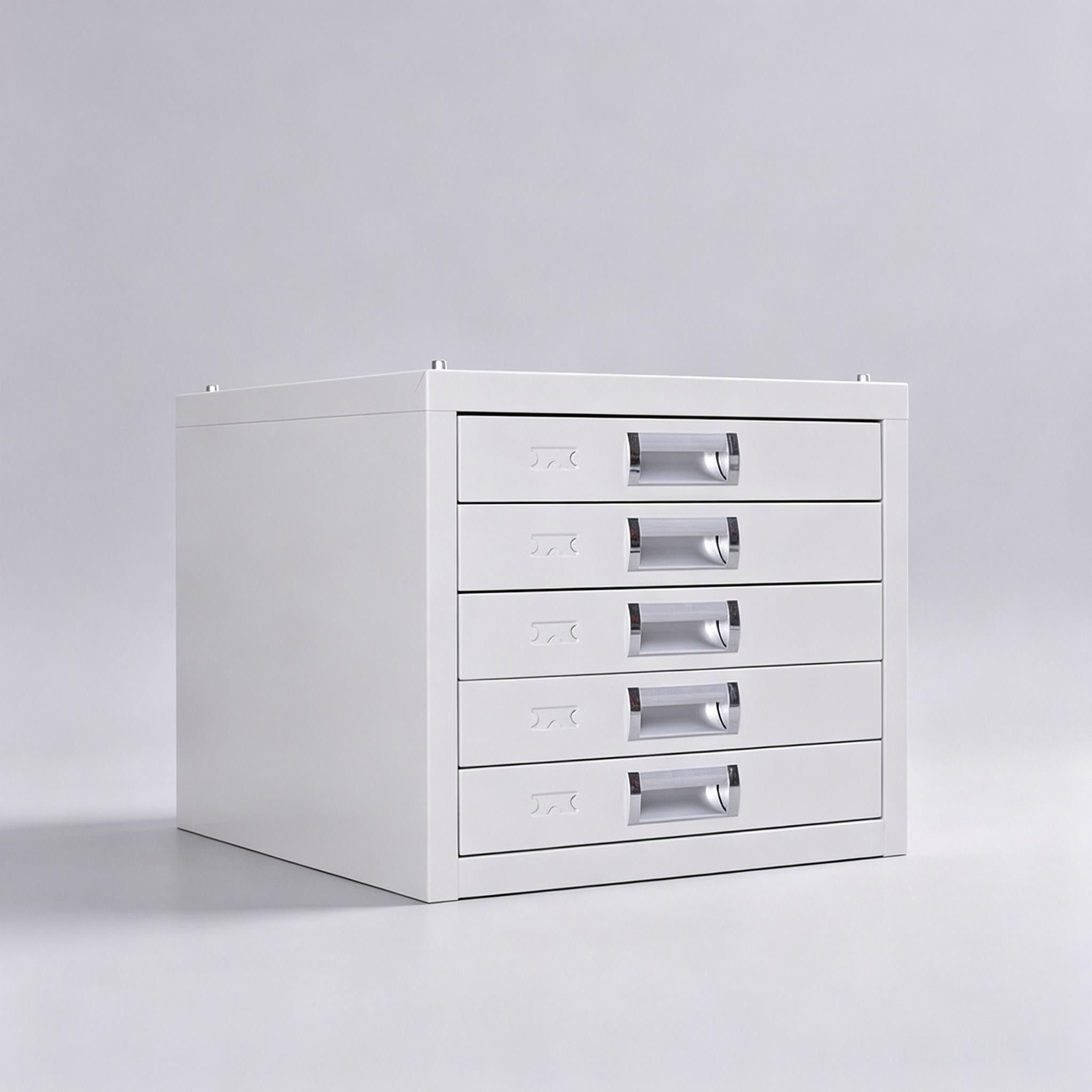
How to Choose a Paraffin Block Storage Cabinet
Most block cabinets are bought on price per drawer and then outgrown in four years. This guide works through the numbers that decide whether a cabinet still fits your archive in a decade.
Twenty guides on capacity arithmetic, filing systems, materials and room planning, written from the factory floor rather than from a brochure.

Most block cabinets are bought on price per drawer and then outgrown in four years. This guide works through the numbers that decide whether a cabinet still fits your archive in a decade.

Paraffin blocks are stable, but not indefinitely and not under any conditions. Here is what actually degrades FFPE material in storage, and the cabinet details that slow it down.

A filing system is a set of decisions about numbers, drawers and colour. Made once, in the right order, it saves hours a week for the next twenty years.

The choice is not about quality. It is about how often a case is retrieved, and whether the room has wall space left to give.

A storage room fails in year four, not year one. These are the planning numbers that decide whether it lasts twenty.

Nominal capacity is a starting point, not an answer. Here is how to turn drawer dimensions into a number you can plan an archive around.

Cabinet dimensions are on the datasheet. The numbers that decide whether it fits are in the room, and most of them are easy to get wrong.

Two laboratories with identical cabinets can store very different numbers of blocks. The difference is usually the cassette, not the cabinet.

A lock is not an access policy. The cabinet decision is small; the keying plan and the retrieval log are what auditors actually ask about.

Storage placed by convenience becomes storage placed by accident. Zoning by workflow is what keeps a laboratory working when case volumes double.

Two cabinets can look identical and age completely differently. The difference is measured in tenths of a millimetre and in how many pretreatment tanks the factory owns.

A drying cabinet is the cheapest item in the staining line and the one most often improvised with a bench and a paper towel. That is where bent coverslips come from.

Retention periods turn a storage purchase into a forecast. The arithmetic is simple; the mistake is using today's volume instead of the ten-year average.

Compact shelving is a construction project disguised as furniture. Most problems are decided before the first bay arrives.

The best numbering system is the one a tired technician can use correctly at 5 pm. That rules out most clever ones.

Humidity rarely destroys a block in a week. It works slowly on labels, cassette metal and cabinet edges, and the damage shows only when a case is pulled.

None of these mistakes is exotic. All of them are expensive, and most are visible in the first quotation.

An audit is not a count of everything. It is a sample, a reconciliation and a record of what you did about the exceptions.

Steel cabinets do not need much attention. The little they need is concentrated in three places, and all three are cheap to fix early.

An archive move is a filing project with a deadline. Treat the boxes as cases, not as cargo, and the move becomes boring — which is the goal.
Most specification mistakes come from sizing a cabinet against today's shelf rather than the ten-year archive. Our block cabinet guide and slide capacity guide both work through the arithmetic with real numbers.
Send your block or slide counts, retention period and room plan. We will return a capacity calculation and a quotation within two working days.